
Choosing the Right Product Photography Style for Your Online Shop
Selecting the correct photography style for your online shop can make a noticeable difference in how customers perceive your products. Each approach serves a distinct purpose, and the best option often depends on the type of item you are selling and the message you want to convey. Below is a breakdown of the most common e-commerce photography types and the benefits they offer to help you optimize your digital storefront.
Product Photography on a Plain Background: The Classic Studio Approach
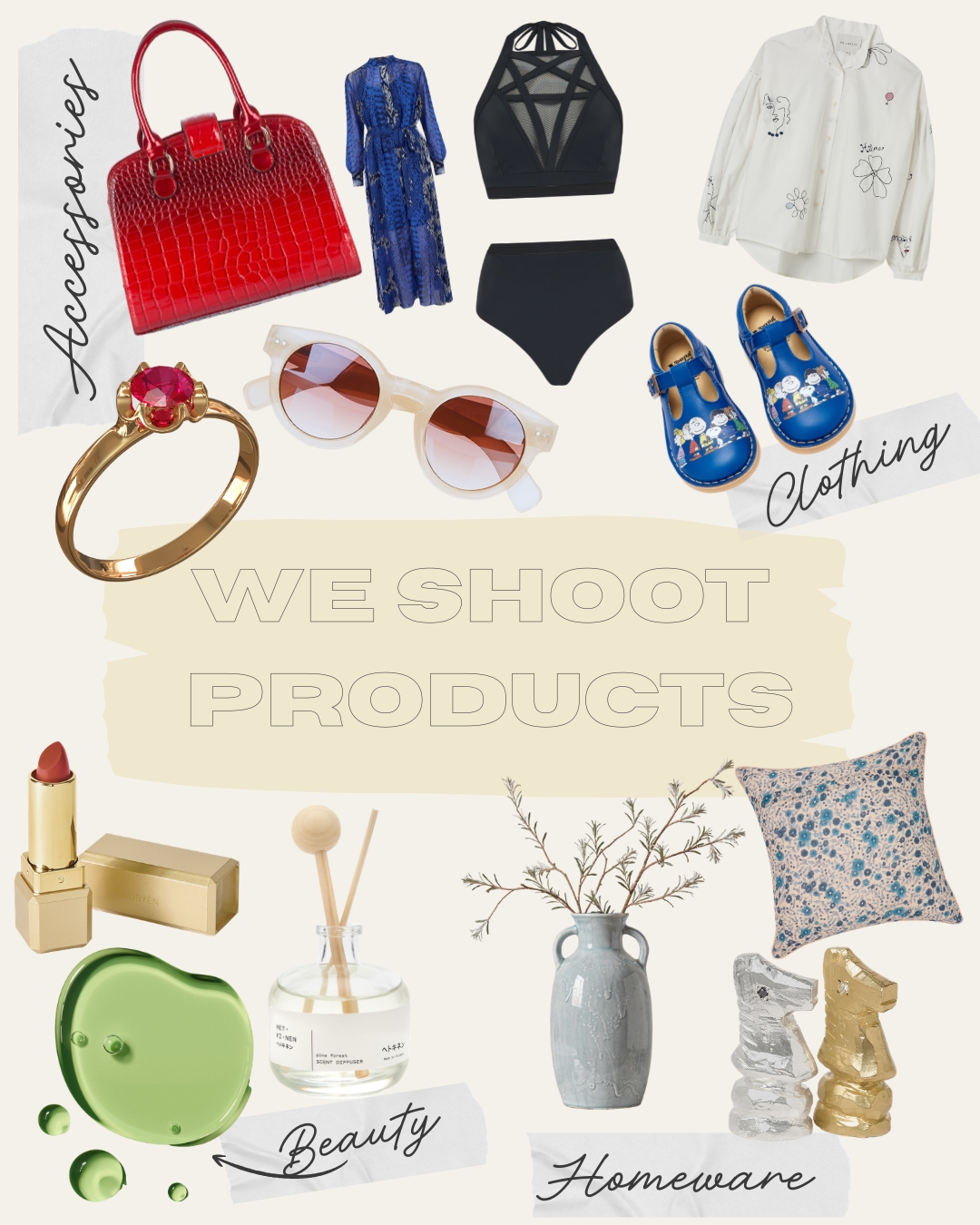
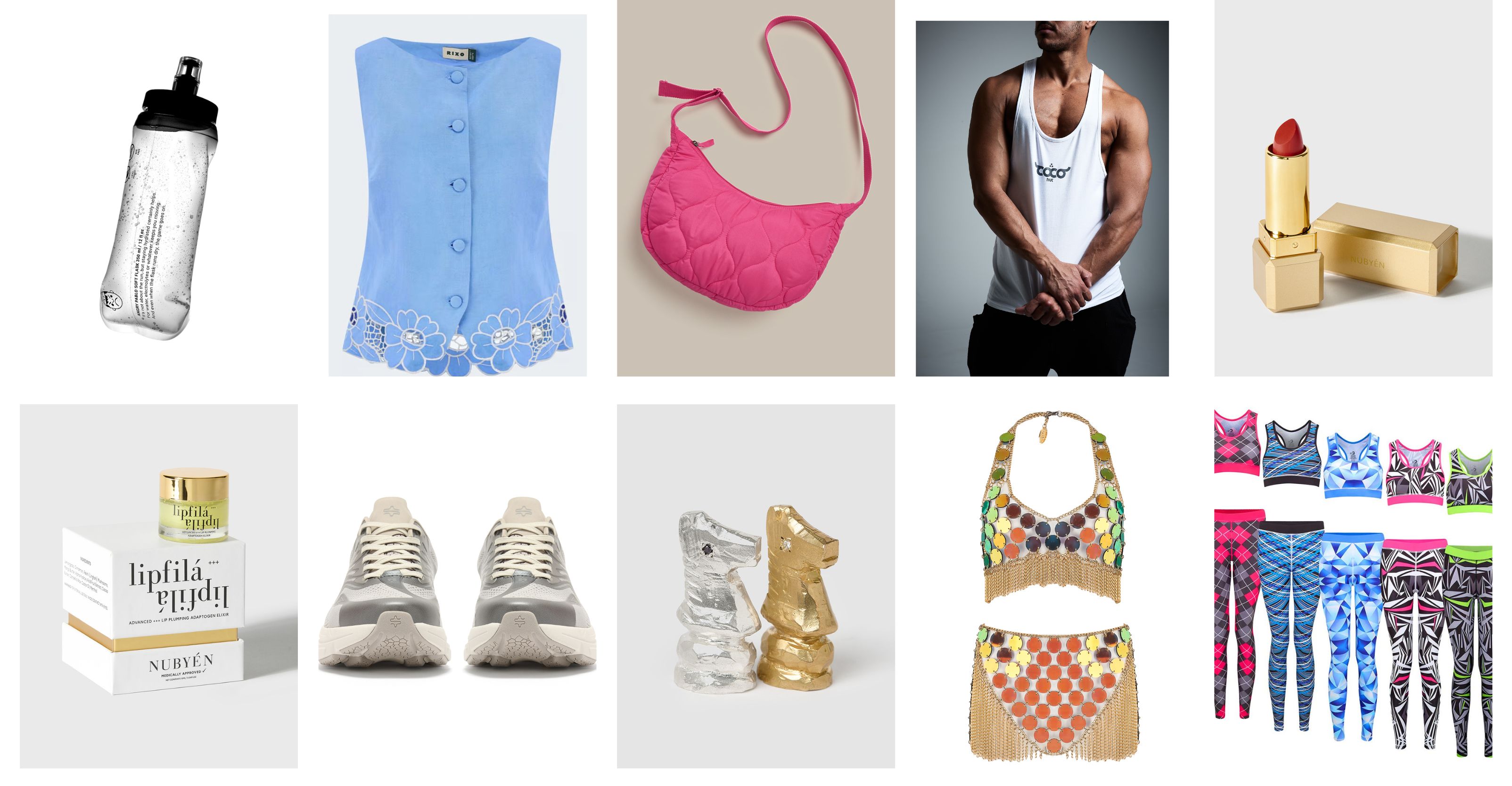
This is the standard for many online retailers. The product is placed against a plain white, grey, or black background and lit evenly to show every detail. It works exceptionally well for items where shape, colour, and texture are the primary selling points.
Because the background is neutral, the image integrates seamlessly into website grids and catalogue pages. Shoppers can compare products side by side without visual distraction, which often improves conversion rates in categories such as electronics, homeware, and packaged goods.
Benefits of Minimalist Product Shots
Consistency is the primary advantage here. When every product image follows the same lighting and background guidelines, the overall store looks highly professional and trustworthy. This style also simplifies post-production because there is less background detail to correct or remove. For businesses that sell many similar items, such as jewellery or beauty products, a plain background ensures the focus remains entirely on the product itself, not on the surroundings.
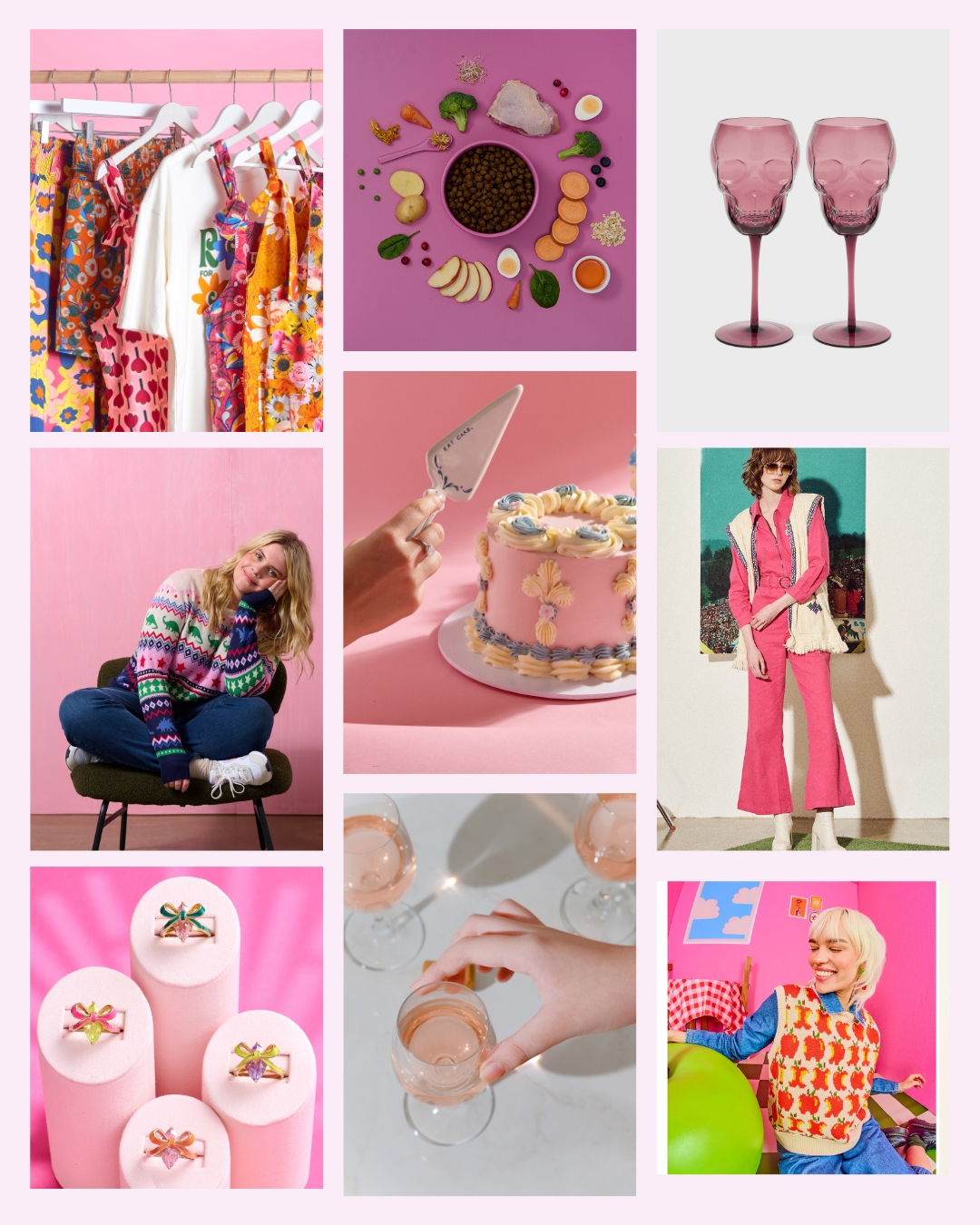
Model Photography
Flat Lay Photography: Arranging Items from Above
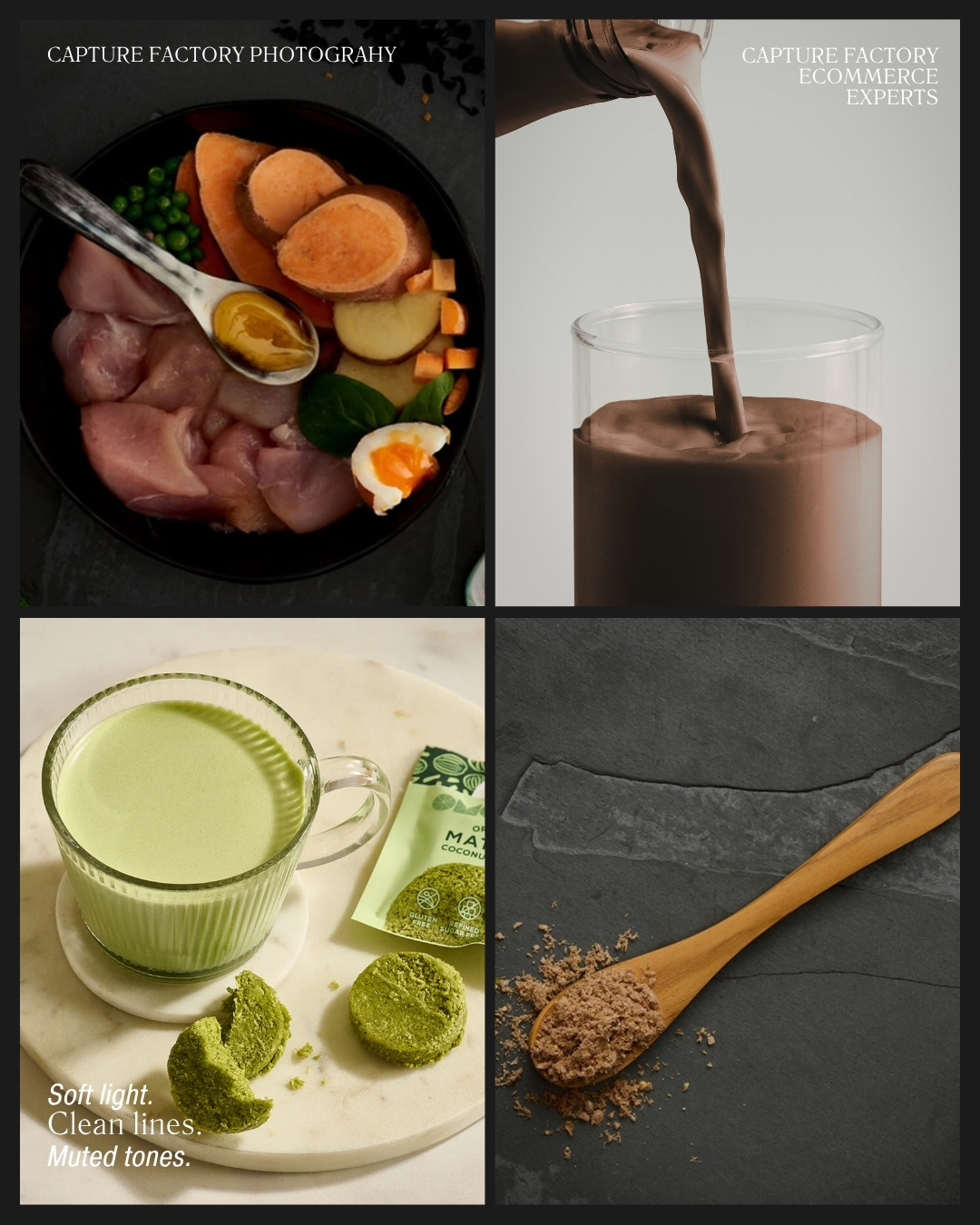
Flat lay photography involves placing objects on a flat surface and shooting directly from above. It is popular for fashion accessories, food, stationery, and lifestyle products because it allows the photographer to arrange multiple items beautifully within a single frame.
The composition can tell a story about how the product is used or what it pairs well with. Natural light or soft diffused studio light works best, and a variety of surfaces, such as marble, wood, or fabric, can add texture without overwhelming the subject.
Benefits of Flat Lay Images
Flat lays are highly shareable on social media and can help build a cohesive brand aesthetic. They also let customers see product scale and styling ideas in one quick glance. For retailers who sell coordinating items, such as a handbag with a scarf and wallet, a flat lay shows the full set in a way that individual shots cannot. The overhead angle is also incredibly forgiving for products that might not look their best on a hanger or a traditional model.
Model Photography: Clothing on Real People
Photographing garments on a live model gives customers a realistic sense of fit, drape, and movement. Models can be posed to highlight specific features, and the human form adds an aspirational element to the image. This approach is standard in fashion e-commerce, where seeing how fabric behaves on a body directly influences purchasing decisions. It also makes it easier to show multiple angles, including back, side, and detail views, in a single shoot.
360 Product Photography
Benefits of Model Shots
The main benefit is reduced return rates. When shoppers see a garment on a person with a similar body type, they are more confident about sizing and fit. Model photography also allows for lifestyle storytelling, as the model can be placed in settings that match your brand’s core identity.
The primary downside is cost: hiring models, a stylist, and a professional studio can be expensive, and these shoots naturally take longer to plan and execute than mannequin or flat lay alternatives.
Invisible Mannequin Photography: What Is the Technique?
The invisible mannequin technique allows clothing photographers to shoot garments as if they were worn by someone, creating the unique illusion of the clothing being suspended in thin air. A physical mannequin with removable sections is dressed in the garment, and after the image is captured, the visible parts of the mannequin are edited out.
The result is a clean, hollow look that showcases the garment’s shape, neckline, and armholes without a visible support structure. This method is also widely known as ghost mannequin, hollow mannequin, or packshot mannequin photography.
Physical Ghost Mannequins
Specialist suppliers such as Equipashop sell ghost mannequins with removable sections designed to reduce post-production times. For example, a female headless torso with a stand is priced at £447.30 including VAT, and a male version costs £453.59 including VAT. Equipashop also offers free DPD delivery on UK orders over £150 excluding VAT.
Another provider, Invisible Mannequin London, offers ghost mannequin hire, sales, and photography services from a studio in East London and a warehouse in Nuneaton, Warwickshire. Amazon also lists over 200 results for invisible mannequins, including adjustable hangers and dress forms starting from around $38.99, though prices and availability vary.
Digital Ghost Mannequin Effect
An alternative to using a physical mannequin is the digital ghost mannequin effect. Software options such as Photoroom include a Ghost Mannequin feature that lets users present clothing on an invisible mannequin for listings, advertisements, and social media.
This approach requires a paid subscription and AI Credits, so it is not completely free. The digital method is faster than traditional manual editing because the software does much of the compositing automatically, but it may not work as well for complex garments with intricate linings or unusual shapes.
Benefits of the Invisible Mannequin
Invisible mannequins allow you to style clothing attractively without visible support, reducing the amount of editing time needed to produce a clean product image. Because the garment holds its shape better than when laid flat, customers can see how it fits through the shoulders, chest, and sleeves.
Compared to live model photography, this technique is far more affordable and easier to schedule, since you do not need to coordinate with models or stylists. For brands that sell a high volume of clothing items, the invisible mannequin method speeds up the entire photography workflow while still delivering highly professional results.
360 Product Photography: Interactive Product Views
360 product photography captures a product from every angle by rotating it on a turntable while a camera takes multiple shots. The images are then stitched together into an interactive viewer that the customer can spin or drag with their mouse or finger.
This format is especially useful for items where shape and detail matter, such as footwear, bags, electronics, and automotive parts. It gives shoppers a near-tactile experience without needing to see the product in person.
Benefits of 360 Photography
The main advantage is increased engagement. Customers who interact with a 360 view spend more time on the product page and are statistically less likely to return the item because they have seen it from every side. It also reduces the total number of individual images needed, as the rotation successfully replaces multiple static angles. Setting up a 360 rig requires specialised equipment and careful calibration, but the investment often pays off quickly for higher-priced or highly detailed products.
Lifestyle Photography: Context and Environment
Lifestyle photography places the product in a real-world setting that shows it being used by real people. A coffee maker might appear in a bright kitchen with someone pouring a fresh drink, or a winter coat might be photographed on a model walking through a city street. These images sell a feeling as much as a product, making them powerful tools for branding and emotional connection. They are commonly used on hero banners, social media, and lookbooks rather than on individual product pages.
Benefits of Lifestyle Imagery
Lifestyle shots help customers imagine themselves owning or using the product in their daily routines. They can also communicate brand values, such as sustainability, adventure, or comfort, in a single frame. Because these images are more complex to produce, they typically require a specific location, props, and a crew, which raises the production cost. However, for products that rely on aspiration or a specific use case, lifestyle photography can significantly boost conversion rates and brand recall.
Choosing the Right Type for Your Business
Factors to Consider
Start by looking at your specific product category and your available budget. If you sell clothing, the invisible mannequin technique offers an exceptionally strong middle ground between the low cost of flat lays and the high cost of live models. For electronics or homeware, plain background shots combined with 360 views may be more effective. Flat lays and lifestyle images are better suited to products that benefit from styling or context, such as accessories, food, or gift sets. Think about where your images will appear: social media heavily favours lifestyle and flat lay content, while catalogue pages need clean, consistent product shots.
Combining Techniques
Most successful e-commerce brands do not rely on a single photography style. They use plain background shots for core product pages, lifestyle images for marketing campaigns, and flat lays or invisible mannequin shots for social media and email newsletters. By mixing techniques, you can give customers a complete view of the product while keeping your visual identity strong across all channels. Investing in a professional studio or hiring a commercial photography service can help you produce all of these styles efficiently under one roof.
Frequently Asked Questions
What is the difference between a ghost mannequin and an invisible mannequin? There is no practical difference. Ghost mannequins, invisible mannequins, hollow mannequins, and packshot mannequins all refer to the exact same type of mannequin with removable sections that allow the support structure to be edited out of the final image. The terms are used interchangeably by suppliers and commercial photographers.
Can I achieve the ghost mannequin effect with software? Yes. Software such as Photoroom offers a Ghost Mannequin feature that uses AI to place clothing onto an invisible mannequin digitally. However, this feature requires a paid subscription and AI Credits, so it is not available for free. The digital method can save time on simple garments but may not handle complex linings or unusual shapes as well as a physical mannequin.
Where can I buy a ghost mannequin in the UK? Equipashop sells ghost mannequins with prices starting at £447.30 including VAT for a female torso and £453.59 including VAT for a male version, with free DPD delivery on UK orders over £150 excluding VAT. Invisible Mannequin London offers ghost mannequins for both hire and purchase from their locations in East London and Nuneaton, Warwickshire. Amazon also lists invisible mannequins from various sellers, with prices starting around £38.99.
Do I need a professional studio for invisible mannequin photography? You do not need a full professional studio, but controlled lighting and a clean background help achieve the best results. Many photographers use a simple backdrop and two softboxes to light the garment evenly. If you prefer to outsource, commercial photography studios such as Capture Factory in Brighton offer dedicated invisible mannequin photography services that handle the entire process from styling to final retouching.